
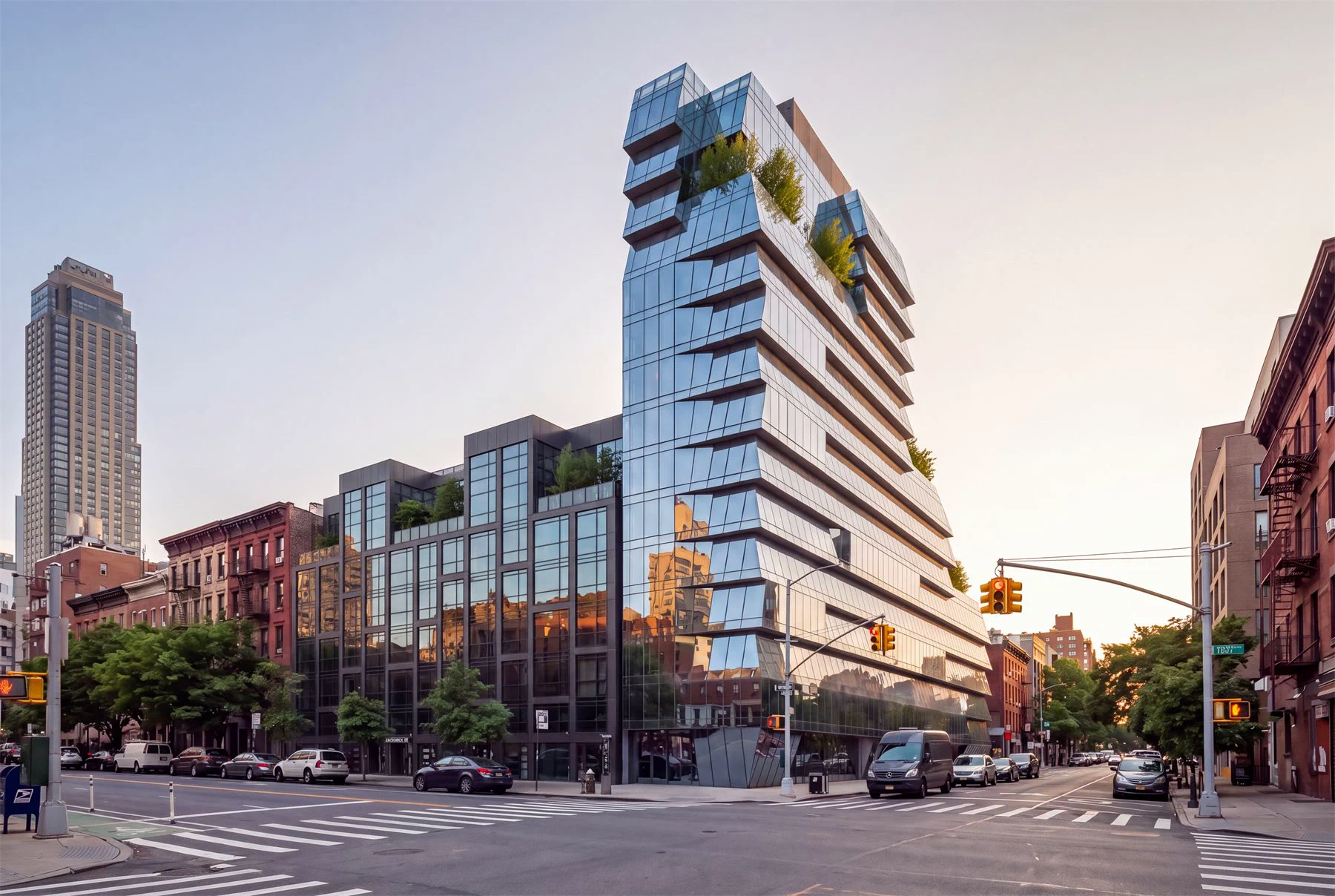
The working pile
The point of the note is simple: the version that failed is still part of the work. When a study disappears, the next review spends ten minutes rediscovering why it failed.
Mira keeps rejected studies grouped below the current direction, with short notes on what broke: scale, light, circulation, public edge, or the way the image argued against the plan.
Each rejected view gets a short caption: what the image promised, what it damaged, and whether the idea should stay as a reference. The board becomes a record of judgment, not a folder of leftovers.
How the team reviews
The team reads the rejects before they read the chosen image, so the final view has a visible argument behind it.
"Rejected work is not waste. It is the map of what the team already learned."
What stays visible
The current direction sits at the top. Under it are the studies that lost, sorted by reason rather than by time. That keeps the review from becoming a timeline and turns it into a decision board.
In Mira's board, one group shows studies that were strong formally but ignored the entrance. Another group keeps softer daylight tests that helped the facade conversation but weakened the interior sequence.
When the client asks why a calmer option was not kept, the answer is already on the canvas: the image is still there, the note is beside it, and the decision does not depend on memory.
What changed
The next review started with the decision trail instead of a clean presentation board. That made the meeting shorter, but also more precise: the team could point to the exact moment where an attractive render stopped supporting the brief.
After the meeting, four rejected studies stayed active as references. The rest were archived, but not deleted. The canvas kept the useful evidence without forcing the team to carry every image forward.
More notes.
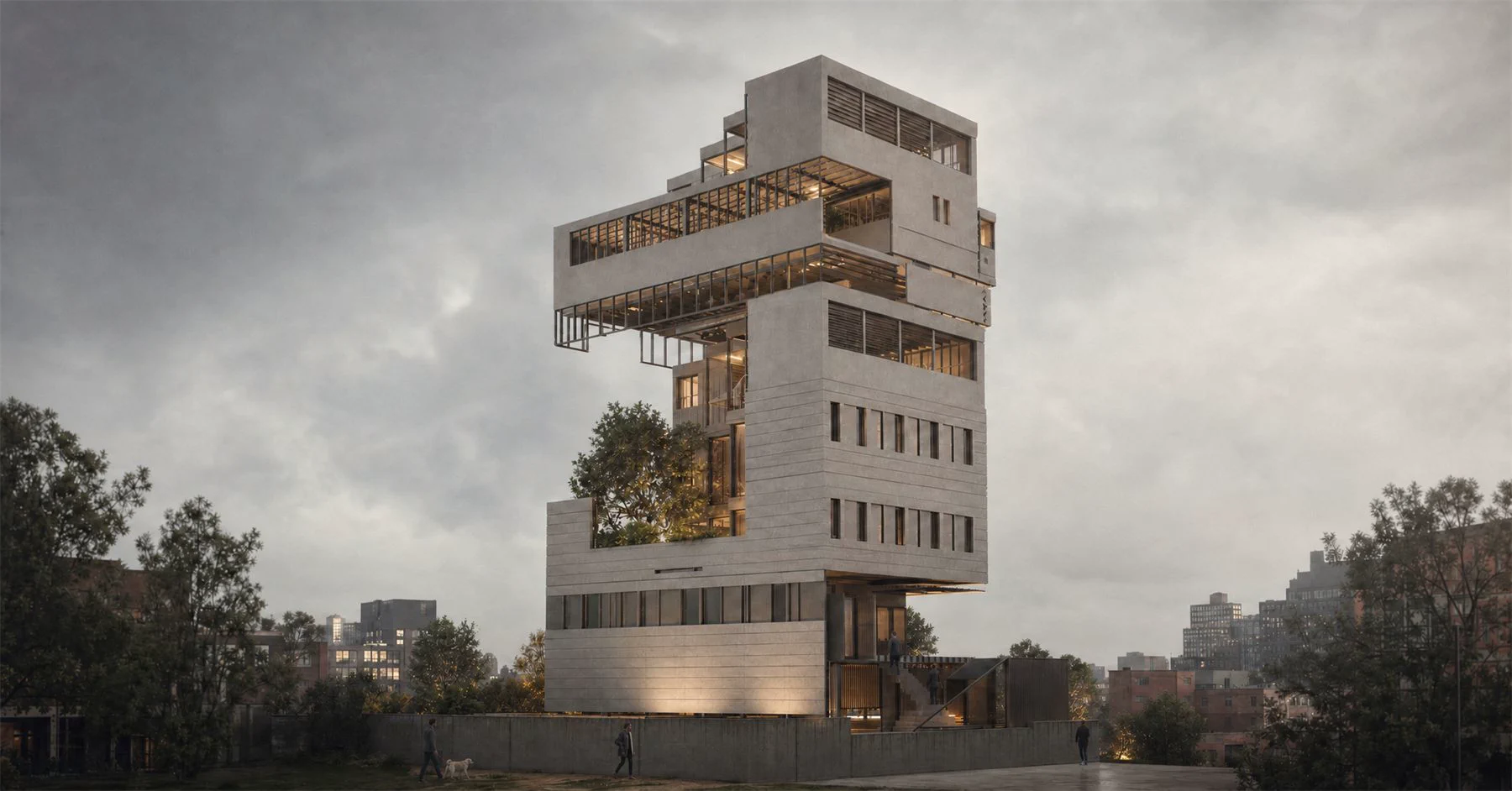
Adaptive reuse study

Three reuse options, one retained frame, and a site note on what changed the brief.
Read More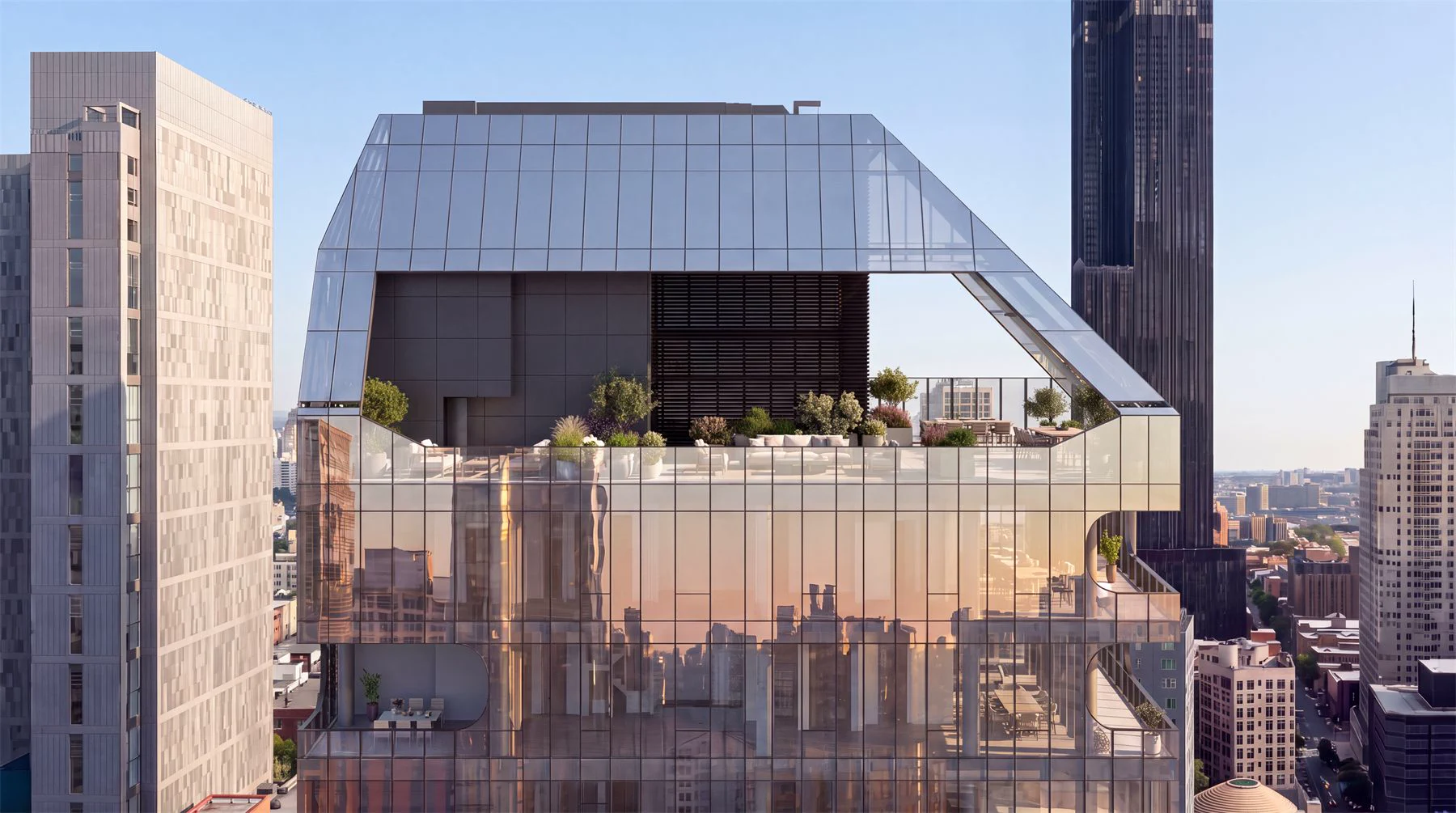
Material prompt session

Loki builds a material prompt board from pinned references, one-word passes, and stop rules.
Read More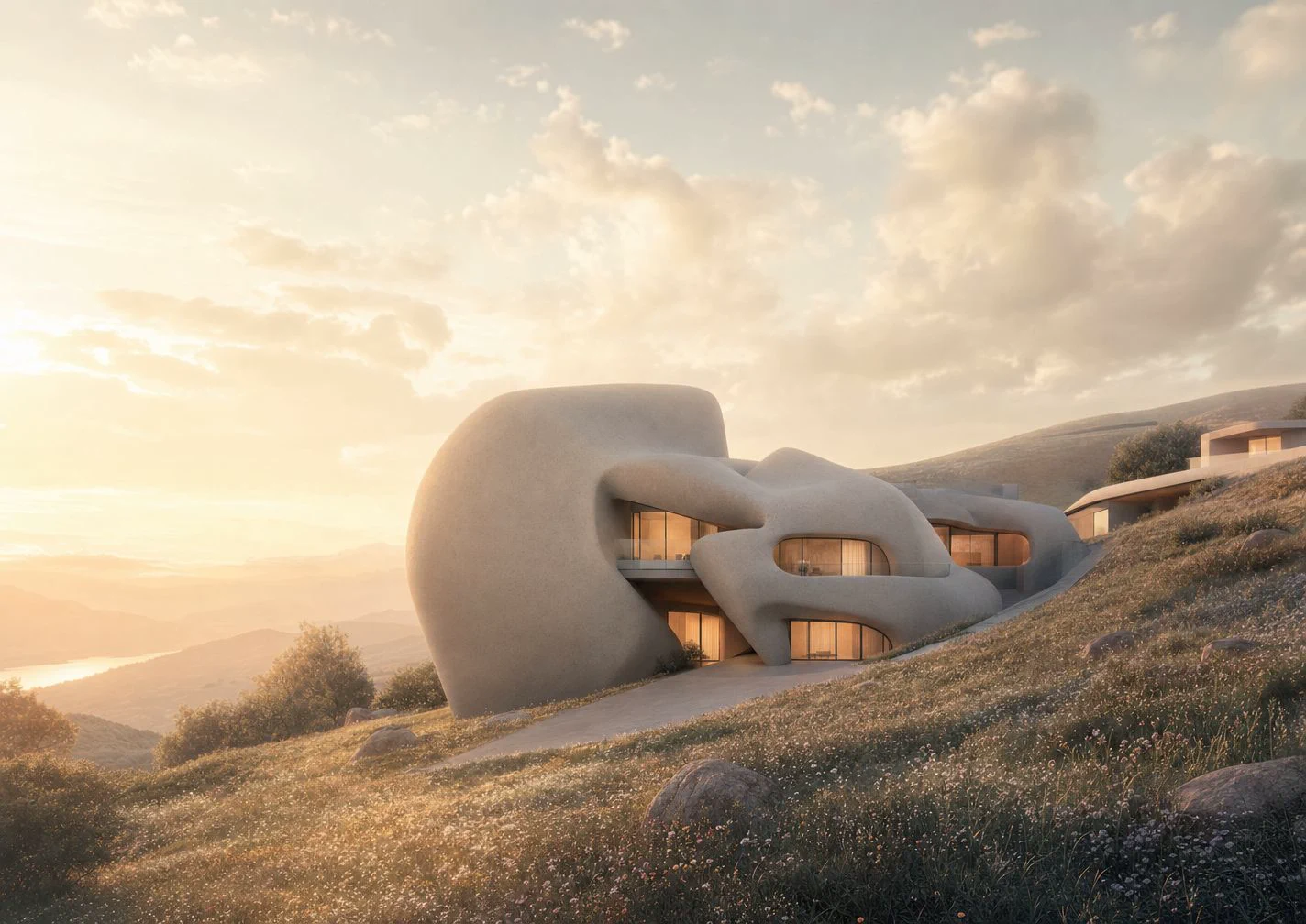
Lake pavilion edge

Nora tests path, threshold, seating, and waterline until the pavilion reads as a public edge.
Read More